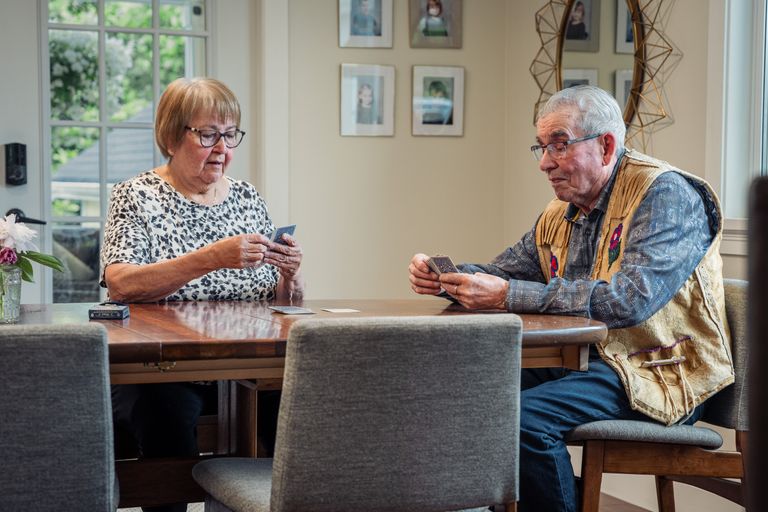
You’ll notice a profound difference with an 8-to-1 caregiver ratio, as it guarantees you’re not just a number but a valued individual. Caregivers can focus on your unique needs, building stronger bonds through personalized attention. They’ll respond faster to your calls or emergencies, enhancing your safety. This ratio boosts your emotional well-being and supports physical health with tailored care. Stick around to uncover how this transforms your daily experience into something truly special.
Key Takeaways
- An 8-to-1 caregiver ratio ensures personalized attention, enhancing residents’ emotional well-being.
- It fosters deeper bonds, creating a family-like environment for residents.
- Faster response times improve safety and address urgent health needs promptly.
- Lower ratios reduce caregiver stress, improving care quality and compassion.
- It supports tailored care plans, meeting unique resident needs effectively.
Understanding the 8-to-1 Caregiver Ratio
Let’s explore the 8-to-1 caregiver ratio, a critical standard in many care settings. You’re passionate about serving others, and understanding this ratio helps guarantee loved ones receive the support they deserve.
With one caregiver for every eight residents, you can trust that facilities maintain a balance of attention and efficiency, fostering a nurturing environment.
A caregiver for every eight residents ensures a perfect blend of personalized attention and efficiency, creating a truly supportive and caring atmosphere.
When searching for *assisted living near me*, consider how this ratio impacts care quality. In places like *assisted living Chesterland* or *assisted living Chesterland Ohio*, this standard often guides staffing decisions, guaranteeing residents aren’t overlooked.
As you advocate for those in need, prioritize facilities upholding this ratio. It’s a benchmark that reflects dedication to well-being, aligning with your heart for service and compassion. Additionally, a strong leadership team, like the one at Amelia Grace, ensures that personalized care is at the forefront of resident support.
Personalized Attention for Every Individual
Building on the importance of the 8-to-1 caregiver ratio, you’ll find that personalized attention for every individual is a natural extension of this standard.
With fewer residents per caregiver, you can truly focus on each person’s unique needs, ensuring they feel valued and supported every day.
As someone dedicated to serving others, imagine the impact you can make by offering tailored care.
Whether you’re exploring options for assisted living near me or specifically considering assisted living in Chesterland, this ratio means you’re not just a number.
Caregivers have time to understand your preferences, from daily routines to personal interests.
You’ll experience a level of care that prioritizes your individuality, fostering a nurturing environment where your well-being always comes first. Additionally, the presence of long-term caregivers with 4 to 23 years of experience ensures a consistent and comforting atmosphere.
Building Stronger Bonds Between Caregivers and Residents
As you consider the benefits of an 8-to-1 caregiver ratio, you’ll notice how it naturally fosters stronger bonds between caregivers and residents.
With fewer individuals to care for, you can invest more time in truly knowing each person. You’re not just providing support; you’re building trust and understanding through meaningful conversations and shared moments.
This ratio allows you to connect on a deeper level, learning residents’ unique stories, preferences, and personalities.
You’ll create a family-like environment where they feel valued and heard. By showing genuine care, you enhance their emotional well-being, making every interaction count. This approach aligns with the commitment to compassionate care that is central to the mission of Amelia Grace Assisted Living.
These relationships aren’t just rewarding for residents—they enrich your life too, as you serve with compassion and purpose every day.
Faster Response Times to Needs and Emergencies
Moving from the importance of personal connections, consider how an 8-to-1 caregiver ratio also guarantees quicker responses to residents’ needs and emergencies.
When you’re caring for fewer individuals, you can react swiftly to a call for help or a sudden health issue. You’re not stretched thin, so you can be right there when someone needs assistance with daily tasks or faces a critical situation.
This ratio means you’ve got the time to monitor each resident closely, spotting potential problems before they escalate. You can ascertain safety and comfort with prompt action, whether it’s helping with a fall or addressing urgent medical needs. Additionally, the dedicated caregivers with an 8:1 resident-to-caregiver ratio ensure that each resident receives personalized attention and care tailored to their unique needs.
Enhancing Emotional Well-Being Through Care
While faster responses to needs are essential, an 8-to-1 caregiver ratio also lets you deeply enhance residents’ emotional well-being.
With fewer individuals to care for, you can build genuine connections, taking time to listen to their stories and understand their feelings. You’re not just a caregiver; you’re a companion who brings comfort and joy.
With fewer to care for, forge deep connections by listening to their stories, becoming a true companion who offers comfort and joy.
This ratio allows you to notice subtle mood changes and offer personalized support, whether it’s a warm conversation or a reassuring smile.
You can create a nurturing environment where residents feel valued and understood. By investing in these emotional bonds, you’ll uplift their spirits and foster a sense of belonging, making a lasting impact on their daily lives through heartfelt care. Additionally, this approach aligns with the community’s commitment to high-quality care tailored to the needs of residents in Chesterland and NE Ohio.
Supporting Physical Health With Focused Assistance
Beyond nurturing emotional bonds, an 8-to-1 caregiver ratio empowers you to prioritize residents’ physical health with focused assistance.
With fewer individuals to care for, you can dedicate time to monitor each person’s unique needs, ensuring they receive tailored support. You’ll help with mobility exercises, assist during meals to promote proper nutrition, and promptly address any health concerns before they escalate.
This ratio also means you’re able to coordinate with medical professionals more effectively, ensuring timely interventions. You can observe subtle changes in a resident’s condition and act swiftly, providing peace of mind. Furthermore, this approach aligns with our commitment to quality care for all residents, ensuring that each individual receives the attention they deserve.
Creating a Sense of Community and Belonging
As you maintain an 8-to-1 caregiver ratio, you’re able to foster a strong sense of community and belonging among residents. With fewer individuals to care for, you can invest time in meaningful interactions, helping each person feel valued and connected.
You’re not just meeting needs; you’re building relationships that matter. Imagine organizing small group activities where residents share stories or enjoy hobbies together. You can encourage participation and create spaces for laughter and friendship.
By knowing each resident’s unique background, you’ll personalize engagement, making them feel truly at home. This ratio lets you nurture a family-like atmosphere, where everyone belongs. Additionally, the low caregiver-to-resident ratio is essential for providing personalized care that enhances the quality of life for each individual.
Your dedication transforms care into companionship, enriching lives through genuine connection and a supportive environment.
Reducing Caregiver Burnout for Better Service
Since maintaining an 8-to-1 caregiver ratio eases your workload, it directly helps in reducing caregiver burnout.
With fewer individuals to care for at once, you’ve got more time to focus on each person’s needs without feeling overwhelmed. This balance lets you recharge, ensuring you’re at your best when serving others.
When you’re not stretched thin, your energy and compassion shine through. You can build deeper connections with those in your care, listening and responding with genuine attention.
Burnout fades as stress lessens, and you find joy in your meaningful work. This ratio empowers you to sustain your passion for helping others, delivering heartfelt service every day.
Additionally, the low resident to caregiver ratio (8:1) promotes quality care and enhances the overall experience for both caregivers and residents alike.
Ultimately, taking care of yourself enables you to care better for them.
Setting a New Standard in Care Practices
While the benefits of an 8-to-1 caregiver ratio are clear, it’s time to push further by setting a new standard in care practices. You’ve seen how this ratio enhances attention and reduces stress, but now, embrace a mindset of excellence.
Commit to ongoing training, ensuring you’re equipped with the latest skills to serve with compassion. Advocate for personalized care plans, tailoring your approach to each individual’s needs.
Don’t stop there—foster open communication with families, so you’re always aligned on expectations. Champion a culture of empathy in your workplace, inspiring others to prioritize dignity in every interaction. Additionally, prioritize compassionate, tailored care to enhance the overall well-being of residents.
Frequently Asked Questions
How Is the 8-To-1 Ratio Funded?
Hey, you’re probably wondering how the 8-to-1 caregiver ratio gets funded.
Well, explore the details with me! You’ll find that it’s often supported through a mix of government grants, private donations, and community fundraising efforts.
Don’t hesitate to advocate for these resources—your voice matters! Reach out to local organizations, apply for funding, and inspire others to contribute.
Together, you’re ensuring caregivers can serve with heart and dedication.
What Training Do Caregivers Receive?
You’re curious about what training caregivers receive, and it’s great that you want to understand this essential role in serving others.
You’ll find that caregivers undergo extensive training, including learning compassionate communication, managing medical needs, and handling emergencies.
They’re taught to build trust and provide emotional support.
You’ll see them master skills in personal care and safety protocols, ensuring they’re ready to uplift and care for those in need with dedication.
How Are Caregiver Schedules Managed?
Hey, you’re curious about how caregiver schedules are managed, right? Immerse yourself and see the thoughtfulness behind it!
You’ll find that schedules are crafted with care, ensuring you’re available when clients need you most. They’re balanced so you don’t burn out, with shifts rotated to keep energy high.
You’ve got input on timing, fostering teamwork, and making sure everyone you serve gets consistent, heartfelt support every day.
What Happens During Staff Shortages?
When staff shortages hit, you’ve gotta step up with resilience and heart.
Prioritize the most urgent needs, ensuring everyone’s safety and comfort.
Don’t hesitate to call in backup or redistribute tasks among your team.
Communicate openly with those in your care, reassuring them you’re there for them.
Keep your spirit strong; your dedication to serving others shines brightest in tough times, making a real difference in their lives.
How Is Ratio Compliance Monitored?
You’re curious about how ratio compliance is monitored, and it’s great that you care about maintaining high standards.
Immerse yourself in regular audits and checks by supervisors who guarantee staffing levels meet requirements. You’ll also use scheduling software to track caregiver assignments in real-time.
Don’t forget, you can report discrepancies to management, making certain everyone’s needs are met. Your dedication to oversight helps create a nurturing environment for those you serve.