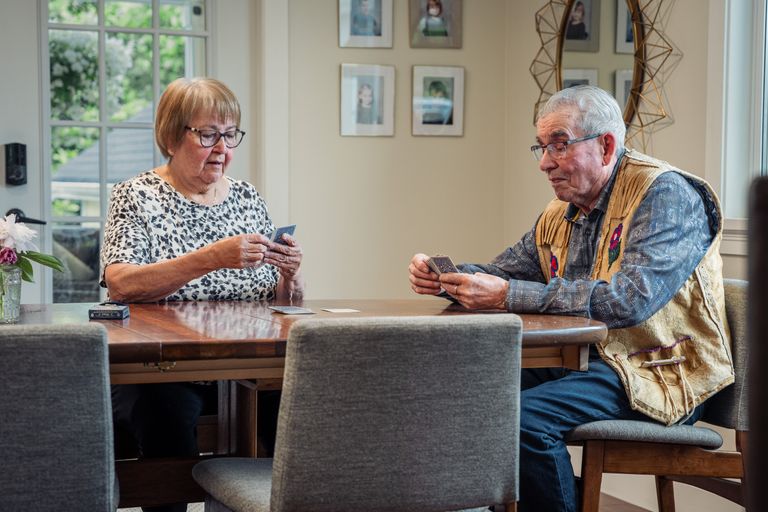
Creating restful nights in assisted living is essential for resident well-being. Many residents experience sleep disturbances due to shared rooms, noise, and health issues. To improve sleep quality, optimizing the environment with comfortable bedding and soft furnishings can help reduce noise. Establishing consistent routines and incorporating natural light aids in regulating sleep patterns. Additionally, utilizing technology such as sleep tracking devices can assist in monitoring sleep. There’s much more to explore regarding enhancing sleep and overall quality of life for residents. At Amelia Grace Assisted Living, we prioritize creating a peaceful atmosphere conducive to restful nights.
Key Takeaways
- Optimize room conditions with comfortable temperatures, supportive bedding, and lighting preferences—residents can also request blackout curtains for added darkness and comfort.
- Reduce noise disruptions by using heavy curtains and soft furnishings, creating a quieter environment conducive to restful sleep for our residents.
- Establish consistent bedtime routines and structured daily schedules to regulate sleep patterns and promote better sleep hygiene among our residents.
- Incorporate relaxing pre-sleep activities, such as gentle exercises or quiet reading, to ease residents into a restful night’s sleep at Amelia Grace.
Understanding Sleep Disturbance in Assisted Living
Understanding sleep disturbance in assisted living is essential, especially since many residents face significant challenges in getting quality rest. Approximately 65% of residents experience sleep issues, making it a common concern. Factors such as shared rooms, excessive noise, and nighttime activities can disrupt sleep continuity. These disturbances can affect daily tasks, making activities like bathing and dressing more difficult. Poor sleep not only lowers functional status but can also lead to increased depression and anxiety, ultimately reducing residents’ overall quality of life. Addressing these issues is vital, as fragmented sleep is more prevalent in assisted living compared to those living independently. Low staffing levels in assisted living facilities further exacerbate these sleep disturbances, as residents may not receive the attention needed to create a restful environment. Providing compassionate senior care tailored to individual needs can significantly improve the overall sleep quality for residents.
The Impact of Medical Comorbidities on Sleep Quality
When residents in Amelia Grace Assisted Living Care Home face medical comorbidities, their sleep quality often suffers. Research indicates that for each additional health issue, there’s a 2% decrease in nighttime sleep.
Residents in assisted living often experience diminished sleep quality due to medical comorbidities, with each additional issue reducing nighttime rest by 2%.
In fact, 69% of older adults with four or more comorbidities report experiencing sleep problems. Issues such as depression and anxiety are closely linked to sleep disturbances, impacting up to 35% of those with severe sleep challenges. Moreover, personalized memory care is essential in addressing these challenges effectively.
Comorbidities like cancer and neurological conditions further contribute to decreased sleep quality. To improve sleep, it’s essential to manage these underlying health concerns, as poor sleep quality has been shown to significantly affect overall well-being.
Thorough assessments of residents’ health can help in developing effective sleep-focused care plans. By addressing these issues, we can promote better sleep and overall well-being for our residents.
Functional Status and Its Relationship to Sleep
Sleep plays an essential role in maintaining functional status among residents in assisted living care homes. Poor sleep quality affects 24-40% of these residents, reducing their ability to perform daily activities like bathing and dressing. Additionally, approximately 69% of residents experience sleep disordered breathing, which can further exacerbate issues related to sleep quality. Moreover, our dedicated staff at Amelia Grace ensures that personalized care is provided to address individual sleep needs.
When sleep is fragmented, it can lead to significant declines in cognitive function, making tasks seem more challenging. For instance, residents may struggle with attention and memory, impacting their engagement in social activities. Additionally, sleep disturbances can predict future changes in health status due to accelerated functional decline. By prioritizing sleep quality, we can help residents maintain their independence and overall well-being, ultimately enhancing their quality of life and reducing the risk of falls and health complications.
At Amelia Grace Assisted Living, we provide fully furnished rooms to support a comfortable living environment for our residents.
Environmental Factors Affecting Sleep in Assisted Living
Environmental factors play an essential role in sleep quality for residents at Amelia Grace Assisted Living Home. Creating a calm, consistent evening routine—along with thoughtful lighting, comfortable room temperature, and good air quality—can support more restful nights. Adequate daytime exposure to natural light also helps regulate circadian rhythms. Personalized care that considers individual preferences (like room brightness, blankets, or bedtime routines) can further strengthen sleep hygiene. Finally, bedding quality matters; supportive mattresses and comfortable bedding can lead to better sleep and overall well-being.
Behavioral Practices That Influence Sleep Patterns
Creating a restful environment is only part of the equation for improving sleep quality in an assisted living care home.
It’s essential to document each resident’s specific sleep patterns and preferences in their care plans. Regularly reassessing these plans helps ensure that the sleep strategies remain effective. Additionally, implementing tailored services to meet unique needs can enhance overall well-being.
Engaging trained professionals in Cognitive Behavioral Therapy for Insomnia (CBT-I) can be beneficial, as they guide residents in developing healthy sleep habits. Incorporating sleep hygiene education as part of these strategies can further enhance the effectiveness of sleep interventions.
Establishing consistent bedtime routines and predictable schedules for meals and activities also supports better sleep quality. Creating a home-like atmosphere can significantly contribute to residents feeling secure and relaxed during the night.
Additionally, coordinating care practices, like repositioning, during the night minimizes disruptions.
The Role of Technology in Sleep Monitoring
In today’s assisted living care homes, technology plays an essential role in monitoring residents’ sleep patterns and overall health. Wearable devices like smartwatches and fitness trackers provide real-time data on heart rates, blood pressure, and sleep quality.
These gadgets can alert staff to falls and changes in sleep patterns, ensuring timely assistance. Pressure sensors under mattresses track sleep without disturbing residents, gathering data passively for analysis. Bed exit alerts notify caregivers if a resident leaves their bed, allowing for quick responses to emergencies.
By analyzing sleep quality metrics over time, healthcare providers can adjust care plans to address specific sleep concerns, enhancing overall resident wellbeing. This integration of technology fosters a safer and more comfortable environment for everyone.
Additionally, we offer fully furnished rooms to ensure a welcoming atmosphere for all residents.
Multidisciplinary Approaches to Improve Sleep
While many factors can affect sleep in assisted living residents, a multidisciplinary approach can greatly improve overall sleep quality.
By collaborating with physicians, nurses, and sleep specialists, it’s possible to identify the root causes of sleep disturbances. Cognitive Behavioral Therapy for Insomnia (CBT-I) effectively targets unhealthy thoughts and behaviors, allowing residents to develop sustainable sleep habits. Additionally, facilities that prioritize personalized care plans can better support residents’ unique needs and preferences.
Creating personalized care plans that consider each resident’s medical history and existing sleep patterns can help address specific challenges. Incorporating non-pharmacological interventions, like relaxation techniques and consistent bedtime routines, further enhances sleep quality. Engaging staff and leadership in the implementation of sleep programs has been shown to be effective in improving sleep quality in nursing facilities.
With regular assessments and adjustments, it’s essential to ensure that each resident receives the targeted interventions they need for better sleep, promoting overall well-being in the community.
Strategies for Creating a Restful Sleep Environment
A restful sleep environment is essential for enhancing the quality of sleep in residents at Amelia Grace Assisted Living Care Home.
Start by optimizing the physical space; maintain comfortable temperatures and consider installing blackout curtains to block disruptive light. Additionally, ensuring that the living space is part of a compassionate assisted living community can further promote a sense of security and relaxation.
Prioritize noise reduction with heavy curtains and soft furnishings, while selecting supportive bedding that meets individual comfort needs.
Incorporate circadian-supportive lighting to mimic natural daylight, transitioning from bright to soft tones throughout the day.
Establish structured daily routines with consistent meal and bedtime schedules to help regulate sleep patterns. This includes monitoring for sleep disturbances to ensure a more restful night.
Finally, integrating relaxing pre-sleep activities like gentle exercises or quiet reading can ease residents into bedtime.
With these strategies, a nurturing atmosphere can be created that promotes restorative sleep and overall well-being for everyone.
Enhancing Resident Well-Being Through Better Sleep
Sleep plays an essential role in enhancing the overall well-being of residents at Amelia Grace Assisted Living, as quality rest directly impacts physical and mental health.
Research shows that about 65% of residents experience significant sleep disturbances, leading to issues like depression and anxiety. When sleep quality declines, so does overall functional status, making daily activities like bathing and dressing more challenging.
Encouraging regular physical activity can help; those who exercise daily often sleep longer and better. Monitoring sleep patterns through wearable devices allows staff to track disturbances and make necessary adjustments. Additionally, our personalized care plans are designed to address each resident’s unique needs, promoting better sleep hygiene and overall wellness.
Frequently Asked Questions
How Can Family Members Support Residents’ Sleep Quality?
Family members can enhance residents’ sleep quality by helping establish a consistent bedtime routine that incorporates calming activities, such as reading or listening to soft music.
Encouraging daytime physical activity can promote alertness and reduce restlessness during the night.
Additionally, it’s important to create a peaceful sleeping environment by minimizing noise and controlling lighting.
Regular check-ins can provide insights into residents’ sleep patterns, allowing families to adjust routines and offer emotional support, which can significantly improve their sleep experience.
What Are Common Sleep Disorders Among Elderly Residents?
Common sleep disorders among elderly residents include chronic insomnia, where residents struggle to fall or stay asleep.
Circadian rhythm sleep-wake disorders arise from changes in sleep schedules.
Sleep apnea, a breathing issue during sleep, affects many older adults, while restless legs syndrome causes uncomfortable sensations in the legs.
Periodic limb movement disorder also disrupts sleep.
Understanding these issues helps us better support elderly residents in achieving restful sleep and improving their overall health.
Are There Specific Sleep Medications Recommended for Older Adults?
Yes, there are several sleep medications recommended for older adults. Controlled-release melatonin is often a first choice, along with low-dose doxepin, which helps with sleep outcomes.
Nonbenzodiazepines like zolpidem and eszopiclone are safer options for sleep onset and maintenance. For middle-of-the-night awakenings, low-dose zolpidem sublingual tablets or zaleplon can be effective.
Always consult a healthcare provider before starting any medication to ensure it’s safe and appropriate for individual needs.
How Can Staff Be Trained to Improve Residents’ Sleep?
To improve residents’ sleep, staff should be trained in several key areas.
First, it’s essential to focus on understanding individual health needs and sleep patterns through thorough assessments.
Training should include the implementation of Cognitive Behavioral Therapy for Insomnia (CBT-I), which can help residents develop healthy sleep habits.
Staff should also learn how to create sleep-friendly environments by effectively managing light and noise levels.
Lastly, it’s important to emphasize non-pharmacological interventions, such as relaxation techniques and daily exercise, to promote better sleep without reliance on medications.
What Role Does Diet Play in Sleep Quality for Assisted Living Residents?
Diet plays an essential role in sleep quality for residents in assisted living care homes. Consuming adequate protein, dairy, and retinol-rich foods can enhance sleep duration and efficiency.
Foods like potatoes and those high in tryptophan or melatonin support quicker sleep onset. Conversely, high-fat and sugary foods negatively impact sleep.
Ensuring a balanced diet rich in fruits, vegetables, and dairy can greatly improve sleep patterns, promoting better overall health for residents. Consistency is key.